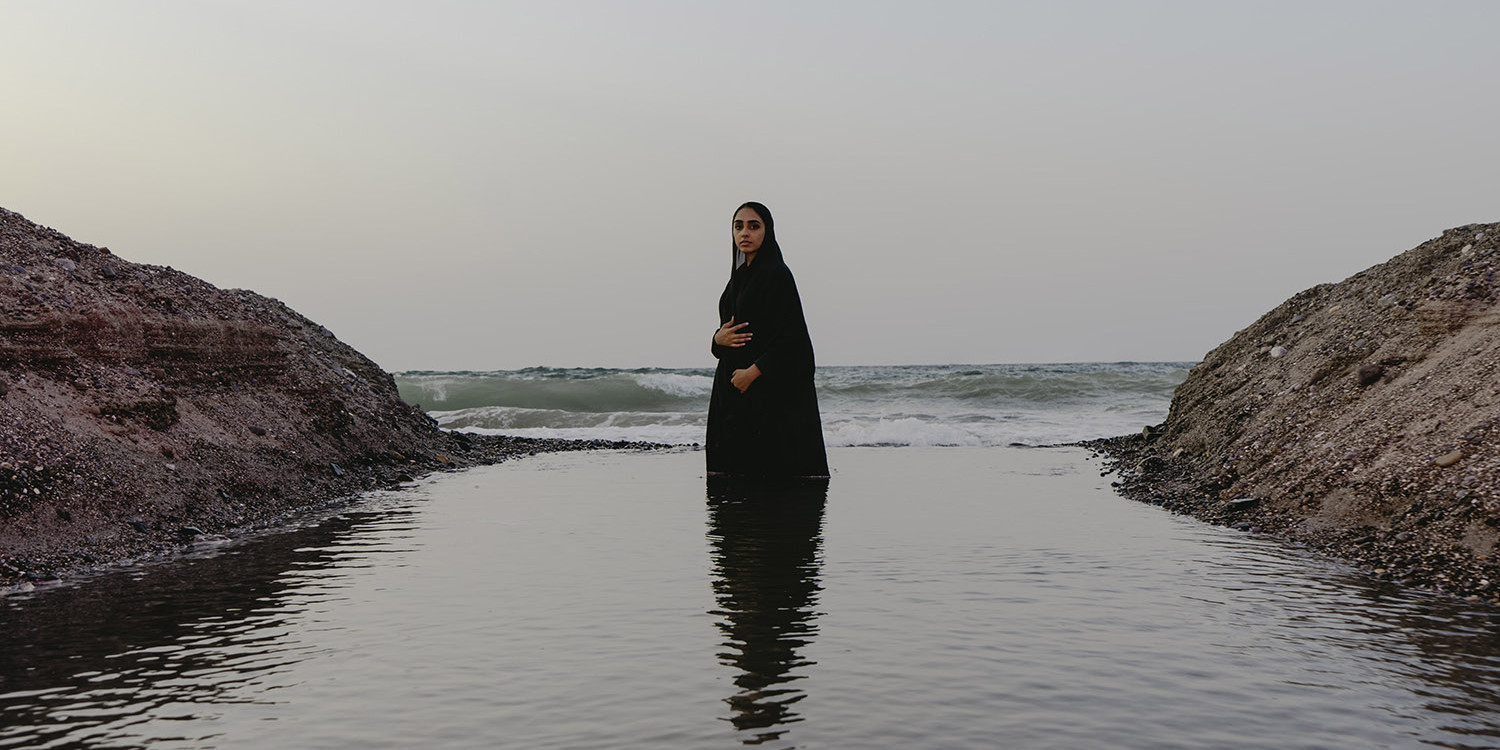
In this interview, we have the pleasure of speaking with Yousef Kawar, a talented musician and audiovisual artist renowned for his expertise in both video and sound. Known for crafting immersive and thought-provoking installations, Kawar’s work is a testament to innovation and boundary-pushing creativity, earning him international acclaim, including recognition from CNN’s Johnny Colt. Currently, he is working on his eighth album and developing new video projects.
Nadine: It’s great to have you, Yousef! As someone who has worked globally in the audiovisual field and received numerous awards and recognition, we’d love to hear about your journey with video and sound. What does this work mean to you?
Yousef: Thanks for having me! My journey in the audiovisual world began with a fascination for storytelling through visuals and sound. Starting with video editing and sound art, I pursued formal education and worked on various projects, learning and growing along the way. As a musician in contemporary experimental music, I bring a unique perspective to my work. Receiving awards has been an honor, motivating me to push boundaries. For me, it’s all about telling impactful stories and creating memorable experiences.
Nadine: Were there any figures or stories that served as points of inspiration during your journey with video? What interests you most about working with this medium?
Yousef: I’ve been inspired by innovative storytellers who push boundaries and I’ve found it essential to listen to my own inner world, which has guided my creative process. What excites me most about working with video is its ability to convey complex emotions and ideas through a blend of imagery, sound, and motion. It offers endless creative possibilities and deepens the connection with audiences.
Nadine: How would you define your practice? What are some recurring themes you explore through video?
Yousef: I would define my practice as a blend of audiovisual storytelling and introspective inquiry. I focus on themes of identity, perception, and the interplay between reality and imagination. My research centers on the human body and senses, aiming to create immersive experiences that challenge viewers’ perspectives and evoke a deeper understanding of the human experience. Recurring themes in my work include exploring internal landscapes and expressing abstract concepts through visual and auditory elements.
Nadine: Tell us more about the genesis of your work Untitled (2018) which you exhibited at Darat al-Funun’s exhibition ‘Truth is black, write over it with a mirage’s light’ at Beit al Beiruti in 2017.
Yousef: “Untitled (2018)” emerged from a deep exploration of the intersection between perception and reality. The work, an interactive audiovisual installation, was inspired by themes of illusion and the search for truth. It features abstract visuals and a room inside a room shape, with sound created using a custom-built instrument that I developed specifically for this piece. The installation uses this unique instrument to challenge viewers’ perceptions and invite them to question the nature of reality. The piece reflects my interest in how our senses can both reveal and obscure understanding, resonating with the exhibition’s theme of subjective experiences shaping our understanding of truth and illusion. It differs from my other works through its interactive nature and immersive setup, using a custom-built instrument and a room inside a room shape. It fits into my broader practice by continuing my exploration of the human body, senses, and abstract concepts, contributing to my goal of creating impactful, thought-provoking audiovisual experiences. The work addresses themes of illusion and perception in relation to the concept of a stolen land. The piece was designed to reflect the complex relationship between what is seen and what is hidden, mirroring the exhibition’s exploration of displaced and contested spaces. By using abstract visuals and sound, the work invited viewers to consider the layers of meaning and the often-overlooked aspects of both physical and metaphorical territories. It aimed to contribute to the exhibition’s broader discourse on how history, memory, and perception shape our understanding of lost or contested lands.
Nadine: We really enjoyed watching your audiovisual work for Middle Ear – an exhibition you produced yourself in 2017. We’d love to know more about your approach to this work, the creative process, and the exhibition. Tell us everything!
Yousef: I created an audiovisual installation set in two large rooms, focused on the interplay between sight and sound. The centerpiece was a large abstract object, “the middle ear,” featuring an abstract audio wave inside it, symbolizing the connection between sensory perceptions. The installation included digital paintings paired with distinct pieces of music, allowing viewers to experience a direct relationship between what they see and hear. The idea for the exhibition emerged like many artistic concepts, and the production took two months. This period involved deciding on materials and constructing the exhibition space at home, ensuring that every element contributed to the immersive experience. The creative process involved designing each painting to evoke specific auditory elements, creating a synchronized experience where sound and visuals complemented each other. This approach aimed to immerse audiences in a space where sensory modalities overlap, encouraging reflection on how our senses influence one another and shape our understanding of the world.
Yousef Kawar, Middle Ear, 2017
Darat Al Funun, Amman, Jordan
Nadine: What are different advantages and challenges you face working with video more specifically, when it comes to collaborating with cultural institutions?
Yousef: On the positive side, these institutions offer a platform for presenting work to a broad and engaged audience, providing valuable visibility and the opportunity for meaningful dialogue. However, challenges often include constraints related to budget and space, which can limit the scale and scope of the project. Despite these limitations, my approach to video is boundless, driven by an expansive vision and deep experience in producing work that reflects my creative vision. My ability to adapt and innovate ensures that even within these constraints, the resulting work remains impactful and true to my artistic intent. There’s a lack of funding and organizational support, which limits the growth and sustainability of these creative projects. Additionally, some creators leave their countries to seek better opportunities elsewhere.
Nadine: Lastly, what advice would you give to aspiring video artists or creatives working with audiovisual media?
Yousef: To aspiring video artists and creatives working with audiovisual media, my advice is to persistently refine and develop your ideas. Keep pushing your creative boundaries, as this will strengthen your ability to produce meaningful work. If you don’t continue evolving your concepts, you risk becoming stagnant. Embrace experimentation and stay committed to your vision, as this will lead to growth and innovation in your craft.
Supported by Abdul Hameed Shoman Foundation
عن الفيديو والصوت والابتكار: مقابلة مع يوسف قعوار
في هذه المقابلة، يسعدنا أن نتحدث مع يوسف قعوار، الموسيقي والفنان السمعي البصري الموهوب، المعروف بخبرته في مجال الفيديو والصوت. يشتهر قعوار بابتكاره لتركيبات فنّية غامرة تحمل أفكاراً عميقة، وتعكس أعماله إبداعاً يتحدّى المعايير التقليدية، وقد حاز على إشادة دولية بما فيها استضافة “جوني كولت” له عبر قناة CNN. حالياً، يعمل يوسف على إعداد ألبومه الثامن وتطوير مشاريع فيديو جديدة
نادين: سعداء بوجودك معنا، يوسف! نظراً لعملك على مستوى عالمي في المجال السمعي البصري وحصولك على العديد من الجوائز والتكريمات، نودّ أن تخبرنا عن رحلتك مع الفيديو والصوت. ماذا يعني لك العمل في هذا المجال؟
يوسف: شكراً على الاستضافة! بدأت رحلتي في عالم المرئي والمسموع من شغفي بسرد القصص من خلال الصوت والصورة. بدأت من خلال تحرير الفيديو وفنّ الصوت، وتابعت في هذه الأثناء تعليمي والعمل على مشاريع مختلفة، مما ساهم في تطوّري على مرّ السنين. بصفتي موسيقياً في مجال الموسيقى التجريبية المعاصرة، فإنّني أقدّم منظوراً فريداً في عملي. لقد تشرّفت بالجوائز التي حصلت عليها، وكانت حافزاً لي لتخطّي المألوف. بالنسبة لي، الأمر كله يتعلّق بسرد قصص مؤثرة وخلق تجارب لا تُنسى
نادين: هل كانت هناك شخصيات أو قصص ألهمتك خلال رحلتك مع فنّ الفيديو؟ ما الذي يجذبك للعمل مع هذا الوسيط بالتحديد؟
يوسف: لقد ألهمني رواة القصص المبتكرون الذين يسعون إلى تجاوز الحدود، ووجدت أنه من الضروري الاستماع إلى عالمي الداخلي، الأمر الذي كان له دور كبير في توجيه عملية الإبداع لديّ. ما يثيرني في العمل مع الفيديو هو قدرته على التعبير عن مشاعر وأفكار معقّدة من خلال مزيج من الصور والصوت والحركة، فهو يوفّر إمكانيات إبداعية لا حصر لها ويعزز الاتصال مع الجماهير
نادين: كيف تصف ممارستك الفنية؟ ما هي بعض المواضيع التي تتناولها تكراراً من خلال الفيديو؟
يوسف: يمكنني أن أصف ممارستي الفنية على أنّها مزيج من سرد القصص السمعية البصرية والاستقصاء الداخلي، فأنا أركّز على موضوعات الهوية والإدراك والتفاعل بين الواقع والخيال. أبحاثي تتمحور حول الجسد البشري والحواس، وأهدف إلى خلق تجارب غامرة تتحدّى وجهة نظر المشاهد وتثير فهماً أعمق للتجربة الإنسانية. تتكرّر في أعمالي موضوعات استكشاف العوالم الداخلية والتعبير عن المفاهيم المجرّدة من خلال العناصر البصرية والسمعية
نادين: حدّثنا أكثر عن نشأة عملك “بدون عنوان (2018)” الذي عرضته في معرض “الحقيقة سوداء، فاكتب عليها بضوء السراب” الذي أقامته دارة الفنون في “بيت البيروتي” عام 2017
يوسف: نبع عمل “بدون عنوان (2018)” من استكشاف عميق للتقاطع بين الإدراك والواقع. هذا العمل هو عبارة عن تركيب فنّي سمعي بصري تفاعلي مستوحى من موضوعات الوهم والبحث عن الحقيقة، ويتألّف من صور مجرّدة وشكل لغرفة داخل غرفة، مع صوت تمّ إنشاؤه باستخدام أداة مخصّصة طوّرتها خصّيصاً لهذا العمل. يستخدم العمل هذه الأداة الفريدة لتحدّي منظور المشاهد ودعوته للتساؤل حول طبيعة الواقع. هذا العمل كان يعكس اهتمامي بكيفية أنّ حواسنا يمكن أن تكشف وتخفي الفهم في الوقت ذاته، متماشياً مع موضوع المعرض حول التجارب الذاتية التي تشكّل فهمنا للحقيقة والوهم. يتميّز العمل عن غيره من أعمالي بطبيعته التفاعلية والغامرة، عبر استخدام أداة مصممّة خصّيصاً وشكل لغرفة داخل غرفة، وهو يتناسب مع ممارستي الأوسع التي تستمرّ في استكشاف الجسد البشري والحواسّ والمفاهيم المجرّدة، ويساهم في تحقيق هدفي المتمثّل بخلق تجارب سمعية بصرية مؤثّرة ومحفّزة على التفكير. يتناول العمل موضوعات الوهم والإدراك فيما يتعلّق بمفهوم الأرض المسروقة، وقد صُمِّم ليعكس العلاقة المعقدة بين ما هو مرئيّ وما هو مخفيّ، اقتداءً بغاية المعرض في استكشاف المساحات المهجّرة والمتنازع عليها. من خلال استخدام الصور والصوت المجرّدين، يدعو العمل المشاهد للتفكير في طبقات المعنى والجوانب التي يتمّ التغاضي عنها غالباً للأرض المادّية والمجازية على حدّ سواء. كان الهدف هو المساهمة في الحوار الأوسع للمعرض حول كيفية تشكيل التاريخ والذاكرة والإدراك لفهمنا للأراضي المفقودة أو المتنازع عليها
نادين: لقد استمتعنا كثيراً بمشاهدة عملك السمعي البصري “الأذن الوسطى” – وهو معرض أنتجته بنفسك عام 2017. نودّ أن نعرف المزيد عن نهجك في هذا العمل وعن العملية الإبداعية والمعرض. أخبرنا بكلّ شيء
يوسف: قمت بإنشاء تركيب فنّي سمعي بصري في غرفتين كبيرتين، بحيث يركّز على التفاعل بين المرئيّ والمسموع. كان العنصر المحوري هو “الأذن الوسطى”، وهو عبارة عن جسم مجرّد كبير يحتوي على موجة صوتية مجرّدة بداخله، ليرمز إلى الاتصال بين الإدراكات الحسية. تضمّن التركيب لوحات رقمية مرتبطة بقطع موسيقية مميّزة، متيحاً للمشاهد تجربة العلاقة المباشرة بين ما يراه ويسمعه. أما فكرة المعرض فقد نشأت مثل العديد من الأفكار الفنية، واستغرق الإنتاج شهرين. تضمّنت هذه الفترة اختيار المواد وبناء مساحة المعرض في المنزل، مع الحرص على أن يساهم كل عنصر في هذه التجربة الغامرة. تضمّنت العملية الإبداعية تصميم كل لوحة لاستحضار عناصر سمعية محددة، وخلق تجربة متزامنة حيث يكمل الصوت والمرئيات بعضهما البعض. كان الهدف من هذا النهج هو أن ينغمس الجمهور في مساحة تتداخل فيها الوسائل الحسّية، مما يشجع على التأمل في كيفية تأثير حواسّنا على بعضها البعض وتشكيل فهمنا للعالم
نادين: ما هي الفوائد والتحديات المختلفة التي تواجهها عند العمل بالفيديو بشكل خاص، عندما يتعلق الأمر بالتعاون مع المؤسسات الثقافية؟
يوسف: على الجانب الإيجابي، توفّر هذه المؤسسات منصّة لعرض الأعمال على جمهور واسع ومتفاعل، مما يتيح فرصة قيّمة لإبراز هذه الأعمال وخلق حوار هادف. أما على الجانب الآخر، فغالباً ما تتضمّن التحديات قيوداً تتعلّق بالميزانية والمساحة، مما قد يحدّ من حجم ونطاق المشروع. لكن وعلى الرغم من هذه القيود، فإنّ نهجي في توظيف الفيديو لا حدود له، وتدفعني في ذلك رؤية واسعة وخبرة عميقة في إنتاج أعمال تعكس رؤيتي الإبداعية، حيث تضمن قدرتي على التكيّف والابتكار أن يظلّ العمل الناتج مؤثّراً ومخلصاً لغايتي الفنية، حتى ضمن تلك القيود. ثمّة نقص أيضاً في التمويل والدعم التنظيمي، الأمر الذي يحدّ من نموّ واستدامة هذه المشاريع الإبداعية. بالإضافة إلى ذلك، نجد أنّ بعض المبدعين يغادرون بلدانهم بحثاً عن فرص أفضل في أماكن أخرى
نادين: أخيراً، ما النصيحة التي تقدّمها للفنانين الطموحين أو للمبدعين الذين يعملون في وسائط الإعلام السمعية البصرية؟
يوسف: نصيحتي للفنانين الطموحين والمبدعين الذين يعملون في الوسائط السمعية البصرية هي أن يستمرّوا في تطوير أفكارهم وتنقيحها بشكل مستمر. استمرّوا في تحدّي حدودكم الإبداعية، فذلك سيعزّز من قدرتكم على إنتاج أعمال ذات مغزى. وما لم تستمرّوا في تطوير أفكاركم، فقد تقعون في فخّ الركود الإبداعي. اعتنقوا حسّ التجريب وحافظوا على التزامكم برؤيتكم الفنّية، فهذا ما سيقودكم نحو النمو والابتكار في حرفتكم
بدعم من مؤسسة عبد الحميد شومان
Nadine Helmy
Cairo-born and raised, Nadine is a Bachelor's graduate of Arts and Culture Studies from Erasmus University Rotterdam. She finds herself inclined towards cultural and social theory, in relationship to the art world and creative industries in particular. Currently based in Amsterdam, she is also a freelance research & arts professional at Looiersgracht 60 Gallery and Brand New Guys agency.