Article by: Sara Shikooh
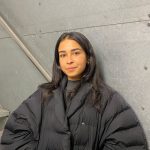
Noor Nematt is a painter and illustrator born and raised in Amman, Jordan, with roots in Palestine. She is known for her colourful and thought provoking oil paintings and digital illustrations under a common theme of love and resistance. As the artist uses heartfelt imagery that creates an atmosphere of appreciation for Palestinian culture. Symbols such as the keffiyeh, the Palestinian flag and Arabic text are prevalent in her work. We will explore Nematt’s latest series, and the function of her art in the act of resistance, spreading awareness on the attempts to erase Palestinian culture in the region.
Noor believes in the Palestinian people’s steadfastness; they have faced bombardment and apartheid since 1948 and are currently fighting an atrocity unlike any other. It is massively imperative for artists to use their art to amplify awareness on political issues, as art has done historically.
The artist’s upbringing in Amman was very influential to her artistic vision. Surrounded by art from all over the Middle East, especially with her father being an artist himself, her experience has been enriched with art and culture. Growing up, she drew influence from artists in the region such as Ammar Khammash, Hani Alkam, Serwan Baran and Laila Shawa. Her earlier work includes portraiture and was heavily themed around femininity. Over the years, Nematt’s artwork shifted towards focusing on the experience of being a Arab woman, specifically in relation to Western culture.

Noor Nematt
Love is Resistance, 2024
Oil on Canvas
50x50cm
The standout piece in the collection is the oil painting titled “Love is Resistance,” a recreation of a photograph by French artist Alain Nogues.
As Nematt states: “There is great warmth shared between the two subjects. I find that especially during times of great crisis and loss, love and compassion can be incredibly healing. They can often be the only sources of comfort when all else is in havoc,” which underscores the emotional depth of the piece. This insight provides the viewer with a perspective often overlooked when examining scenes of conflict—that the kinship within communities highlights the resilience of the human spirit.
Nematt captures this beautifully by focusing on the two individuals sharing a hug and a kiss. The viewer can connect to the Palestinian cause through the subtle symbolism of the traditional keffiyeh worn by the subjects.

Noor Nematt, Free Palestine
Oil on Canvas, 2024
20x20cm
The artist’s use of oil paint is essential. There is a profound sense of depth created by deliberate underpainting that is visible in various aspects of the painting. The color palette varies from painting to painting, but you are always met with vibrancy and a cohesive color scheme. This approach is intended to foster a heartfelt connection between the viewer and the artwork. Each painting in the collection has a distinct color palette that reflects the individuality of the experience depicted. For example, the cake painting with the text “Freedom for Palestine” symbolizes the promise that Palestinians will one day achieve independence and sovereignty.

Noor Nematt, Today and Tomorrow
Oil on Canvas, 2024
20x25cm
The final oil painting in this collection, titled “Today and Tomorrow,” features a composition of two young children, one riding a bicycle with the Palestinian flag attached. The imagery carries a playful tone, yet it is deeply impactful. Nematt explains, “Children have been the largest victims of war, I felt it was imperative to include them in the series. I saw two children riding a bike with the Palestinian flag waving behind them, and even though it was such a simple and innocent act, I felt it was so powerful to the cause.” This statement reflects the thoughtful curation behind the artwork.
The children are positioned at the forefront of the image, and Nematt has created an atmosphere that encourages viewers to empathise with these young souls who, sadly, have been forced to confront the harsh realities of war far too early in their lives. In this series, Nematt uses the “Procreate” app to illustrate the unsettling experience of scrolling through social media and witnessing the atrocities unfolding in Palestine—all from the comfort of one’s bed. Her work perfectly encapsulates the cognitive dissonance of being safe and comfortable at home while being confronted with the harsh realities faced by those living in Gaza. It poignantly captures the realization that the only thing separating one from such a fate is luck.

Noor Nematt, Palestine
Digital Illustration, 2023
The image includes Arabic text which translates to “Palestine” and features symbols like the watermelon, which is commonly used by Palestinian artists as a cryptic way to represent the Palestinian flag; it has itself become a form of resistance. Also included in the image is an olive branch, another symbol of Palestinian peaceful resistance, as olives and olive oil are vital aspects of Palestinian culture. There has been an overwhelmingly positive response to Nematt’s art series, particularly following her most recent exhibition “Summud” that took place in London, England.
She has been commended for her ability to blend aesthetics with serious political commentary. Noor Nematt’s work stands as a powerful testament to the resilience and strength of the Palestinian people. Through her creative use of oil painting and digital illustration, she bridges the gap between one’s comfort and the harsh realities faced by those in Gaza, challenging viewers to confront their own positions of privilege. Her art not only serves as a form of resistance but also as a vital reminder of the human stories behind the headlines. Nematt’s work will undoubtedly leave a lasting impact, inspiring others to use art as a means of advocacy and cultural preservation. Her exhibition and fundraiser have not only showcased her immense talent but have also contributed to the ongoing global conversation about justice and freedom for Palestine.